PitPro.ai
From vibe-coded MVP to enterprise SaaS: RLS, rate-limited AI, normalized schema in three weeks.
- Role
- Lead full-stack engineer & architect
- Year
- 2026
- Practice
- Software
At a glance
- Starting point
- Took a vibe-coded MVP and rebuilt it as a production-grade, multi-tenant SaaS in three weeks.
- What we built
- From vibe-coded MVP to enterprise SaaS: RLS, rate-limited AI, normalized schema in three weeks.
- Stack
- Next.js 14, TypeScript, Supabase Postgres + RLS, Google Gemini 1.5 Flash, Vercel + Upstash Redis, Tailwind, Shadcn/ui
Took a vibe-coded MVP and rebuilt it as a production-grade, multi-tenant SaaS in three weeks.
Executive summary
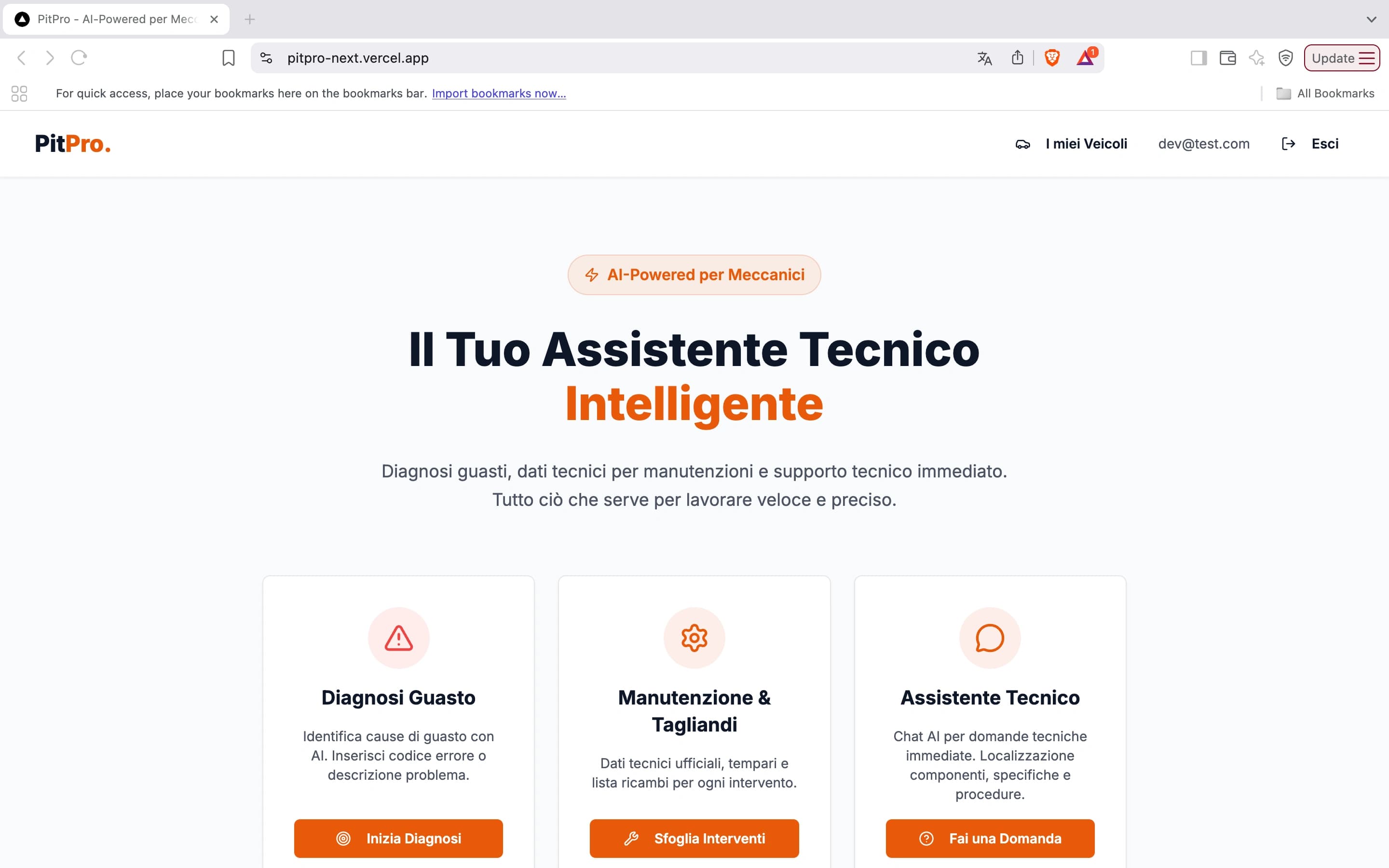
PitPro.ai is a Gemini-powered SaaS for professional automotive workshops. It acts as a second brain for mechanics: instant fault-code (DTC) analysis, repair-procedure generation, and manufacturer-grade maintenance data.
I was brought on to take a Lovable.dev proof-of-concept and turn it into a secure, scalable, commercially viable application. Complete architectural rewrite, security hardening, database normalization, and advanced AI features.
The vibe-coding trap (what I inherited)
- Security void: Row-level security policies were non-existent. Any user could modify any data.
- Exposed APIs: AI Edge Functions were unauthenticated. Anyone with the URL could drain the API quota.
- Flat architecture: No relational integrity between Vehicles, Users, Service History.
- Client-side trust: Critical business logic ran in the browser, easily manipulated.
Database redesign
Migrated to a fully relational, multi-tenant schema. Centralized vehicle entity (vehicles table linked by UUID), event-based history (vehicle_interventions parent + intervention_items child), and a technical_conversations table so the AI can remember prior context about a specific car.
Plate-cache table stores license plate lookups, dramatically reducing external API costs by serving cached technical data on repeat queries.
Security hardening
- Wrote complex PostgreSQL RLS policies enforcing strict tenant isolation.
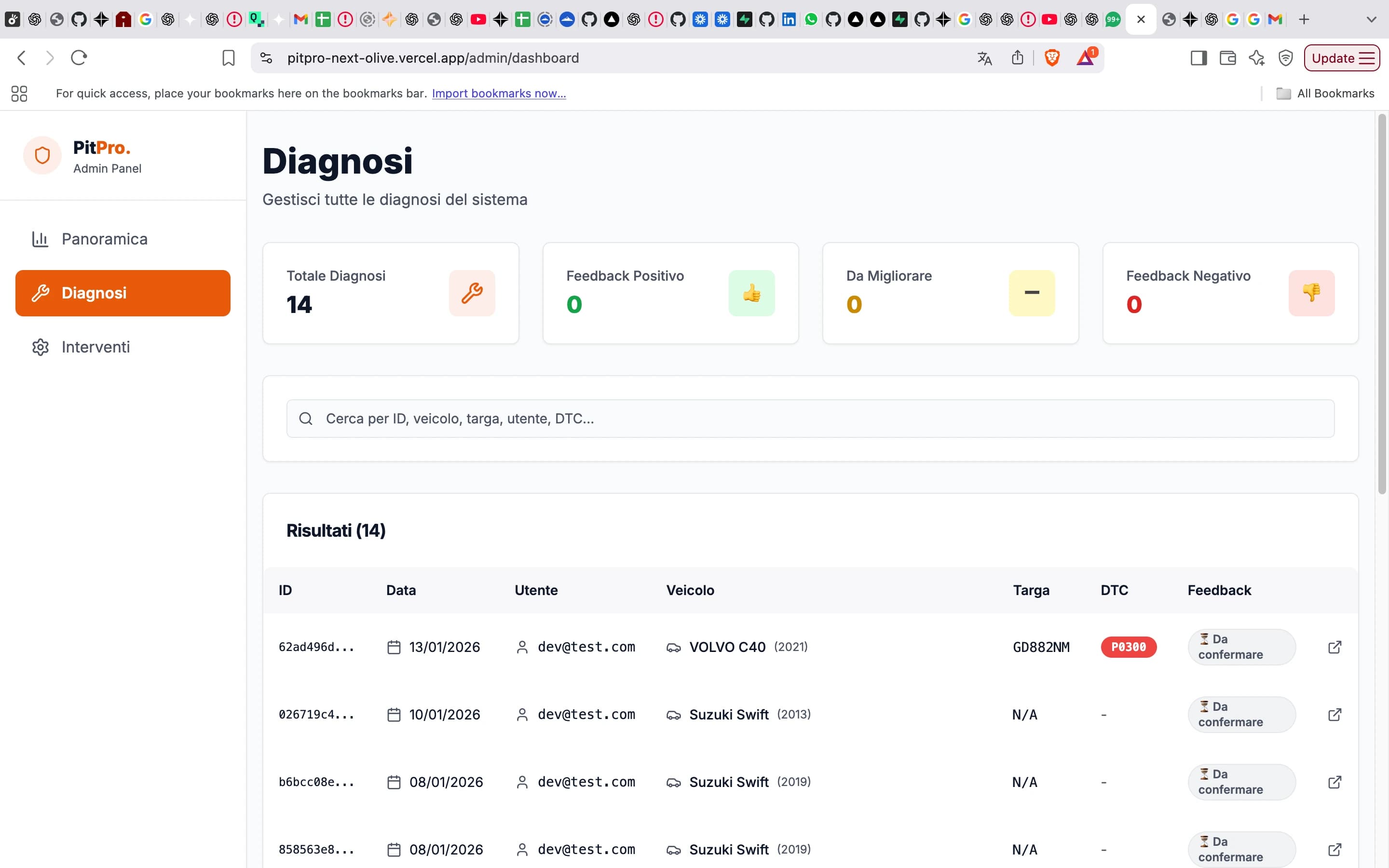
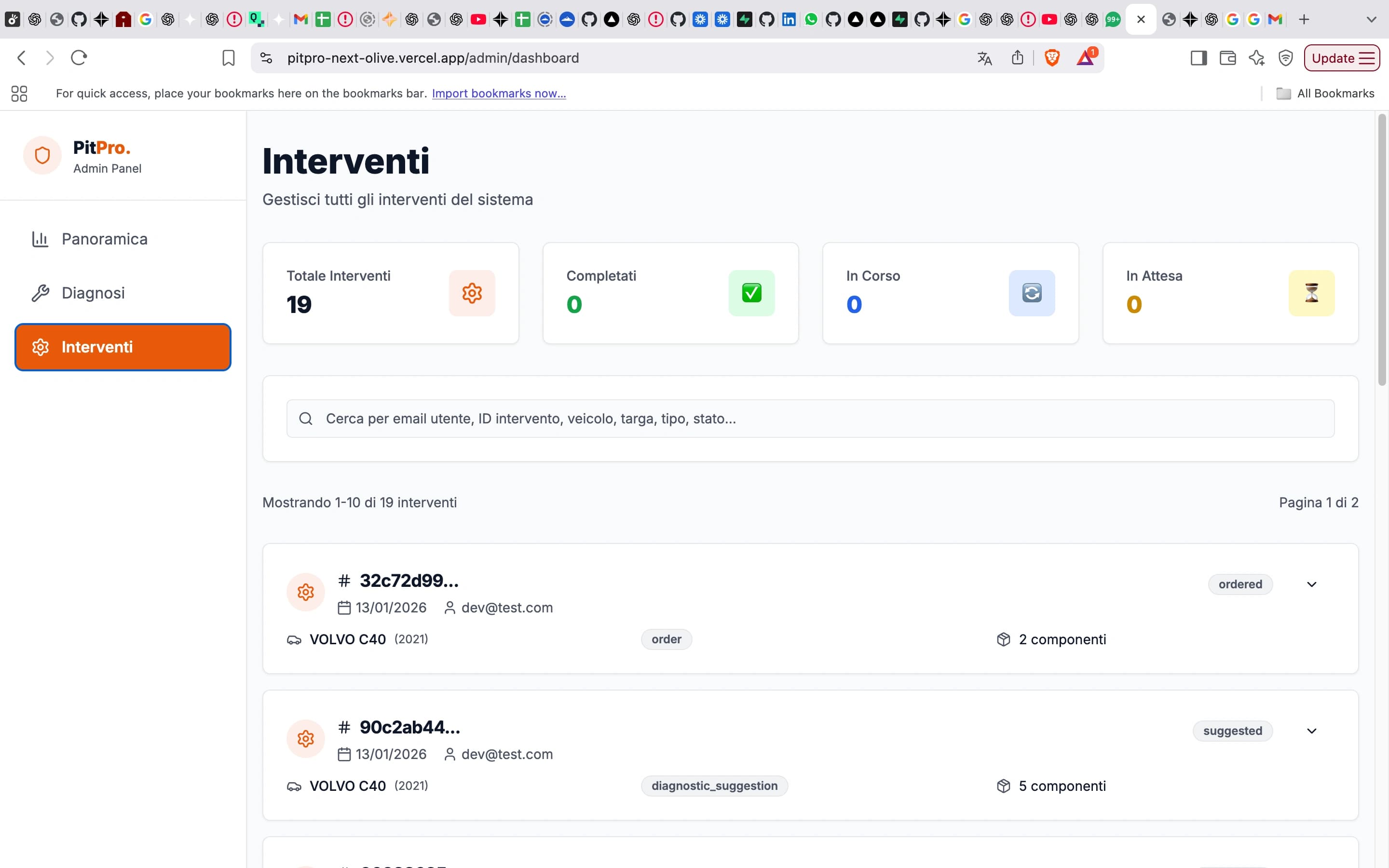
- Custom middleware.ts with secure HTTP-only cookies for the Admin Dashboard, isolated from the user auth flow.
- Upstash Redis sliding-window rate limiting on AI endpoints, protecting against DDoS and API cost abuse.
- Moved all business logic to Next.js API routes, validating with Zod schemas on every input.
AI implementation
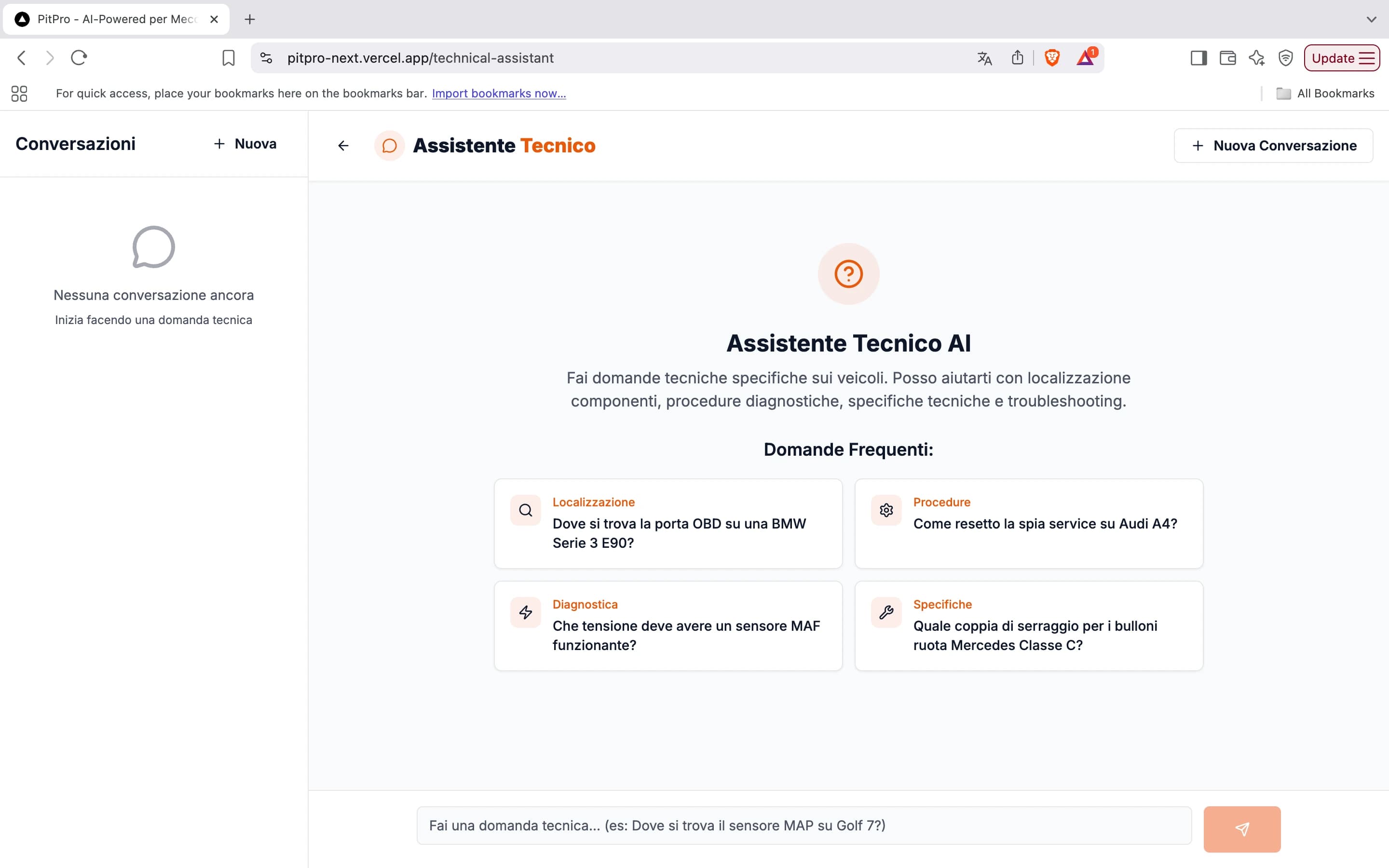
Context-aware Technical Assistant injects the active vehicle's diagnostic logs into the system prompt, so mechanics can ask about a specific Audi without re-explaining context.
Structured-output enforcement makes the LLM return strict JSON for diagnostics, so the UI renders interactive elements (checkboxes for parts, accordions for repair steps) instead of unstructured text.
A 'Scissor Logic' utility normalizes AI labor-time estimates, converting vague ranges like '1-2 hours' into precise '1h 30m to 2h' for consistent quoting.
Stack
- FRAMEWORK: Next.js 14 (App Router, Server Actions)
- LANGUAGE: TypeScript
- DATABASE: Supabase Postgres + RLS
- AI ENGINE: Google Gemini 1.5 Flash (server-side)
- INFRA: Vercel + Upstash Redis
- UI: Tailwind, Shadcn/ui
- VALIDATION: Zod